

Service Apps

Barber Shop App
As a barber, you want to focus on your clients’ hair, not on booking appointments — so simplify the process for everyone with this Barbershop App! This free app template is ready to use and includes forms so you can schedule appointments and sell barber shop products online directly from your store. Customers can also fill out and update their profile, as well as write testimonials that you can display on your splash page. Your app can be easily accessed and downloaded to any smartphone, tablet, or computer for future use.This Barbershop App can be fully customized to match the branding of your barbershop. Our drag-and-drop interface allows you to add forms, upload logos and images, change fonts and colors, and more — no coding required. Jotform’s List Element feature lets you connect Tables and add actions, making it easy to organize data and manage your app’s flow. Once you’re satisfied with the look and have set the app up to sell your barbershop products online, simply share the link to your website or social media and start booking hair appointments today with this free and fully customizable Barbershop App!
Go to Category:Appointment & Booking Apps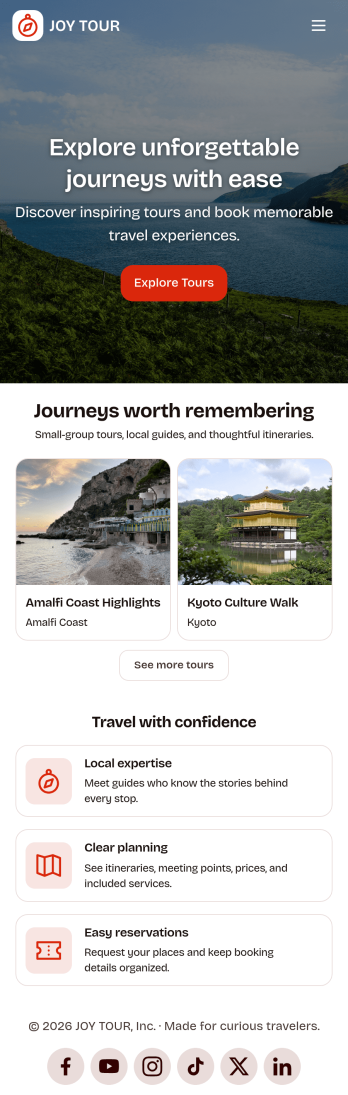
Touring App
Touring App is an app template designed to enhance the travel experience of tourists, travelers, and tour operators by facilitating destination exploration, tour booking, itinerary access, and real-time travel information delivery. Ideal for travel organizers and agencies, this mobile-friendly interface acts as a central hub for all your travel-related needs, providing all the necessary details and updates for a seamless touring experience. The app enables travelers to discover and compare destinations, plan and book tours, access detailed itineraries, and get live updates on travel information. As a result, it eliminates the need for multiple platforms and scattered information, providing a comprehensive and cohesive platform that takes your travel experience to a higher level. The Touring App is best suited for travel coordinators, guides, and touring companies seeking to offer their clients a hassle-free, all-in-one travel solution.With Jotform’s no-code app builder, you can easily tailor the Touring App to align with your brand. The drag-and-drop interface allows you to modify forms, select fonts and colors, and upload your logo, transforming the app into a unique reflection of your brand without any coding knowledge required. The app offers cross-platform compatibility, ensuring it functions flawlessly across smartphones, tablets, and desktops. Downloadable as a Progressive Web App (PWA), travelers can add the app directly to their device's home screen for instant access. No extra transaction fees are applied when collecting payments through the app, and the app's publish options can be customized to suit your needs, making the Touring App not just a travel companion, but also a sound business solution. Create your custom Touring App with Jotform today and elevate your travel business to new heights.
Go to Category:Appointment & Booking Apps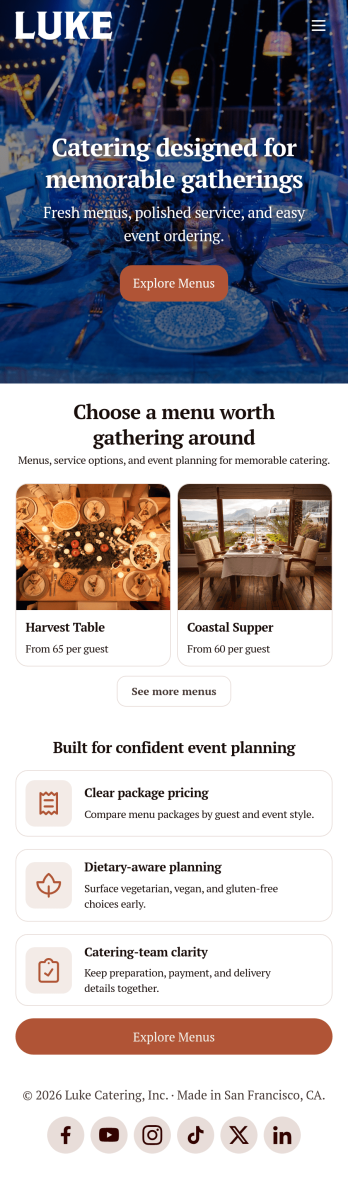
Catering App
Need to find out how to sell catering items online? A catering app allows customers to quickly and easily hire caterers and order food for their events. Get a head start creating an app for your own catering company with our free Catering App. This pre-made template includes a menu and order form for customers to access from their smartphone, tablet, or computer. Customers can easily place their orders from any device, and you’ll receive submissions instantly in your secure Jotform account.Customize your Catering App in just a couple of clicks with our no-code app builder. Simply drag and drop to add more forms, update text, upload images, embed links, and change app settings. When it’s ready, embed the app link in your website or share it on social media to start receiving orders from customers. Take your catering business to the next level and sell catering items online with a professional Catering App.
Go to Category:Delivery Apps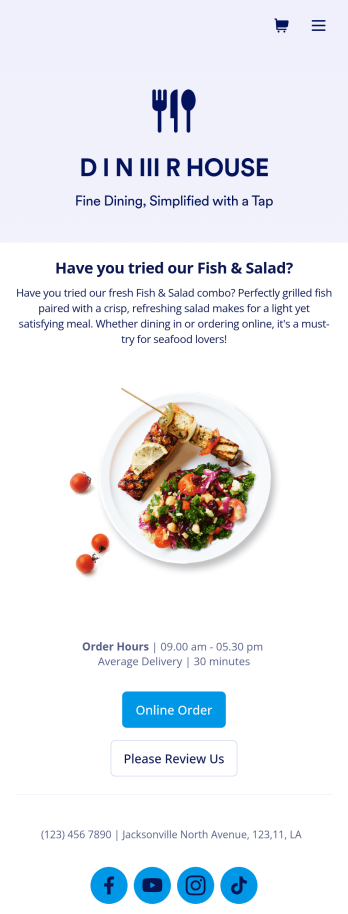
Food Delivery App
A food delivery app is used by food delivery services to communicate with customers, and drivers, while also providing an enhanced customer experience. This template is ideal for restaurants, food trucks, or anyone who may deliver the food ordered by their customers. Wondering how to sell food deliveries online? Whether you've got a restaurant, diner, or small cafe, our Food Delivery App is the perfect way to take online delivery orders and payments. This app template comes readymade with a product list where customers can view your menu and input their delivery address and payment information. You can even showcase signature and seasonal dishes, run promotional campaigns, and gather feedback. Customers can open and download your app on any smartphone, tablet, or computer.Want to make this Food Delivery App your own? Our drag-and-drop interface allows you to add forms, change fonts and colors, upload your logo and thumbnail images for menu items, and completely customize the look of your app icon — with no coding necessary. After that, simply share the link on your website or social media and you’re off and running. Start taking online delivery orders today to sell food deliveries online with this free Food Delivery App!Please refer to our article for further tips on creating a food ordering and delivery app.
Go to Category:Delivery Apps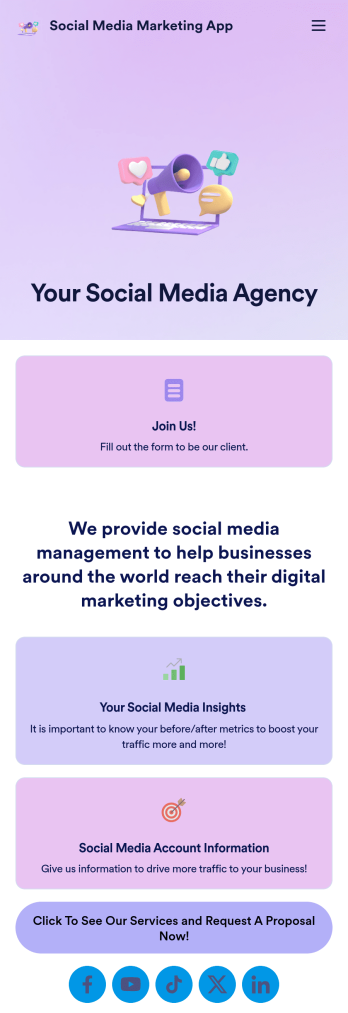
Social Media Marketing App
A social media marketing app is used by social media managers or marketing agencies to list their services, accept proposal requests, and list their contact information. With this ready-made Social Media Marketing App, your business can provide clients with a convenient mobile app — which they can instantly download onto their smartphone for easy access.Need to make design changes? Add your company logo and branding, update the listed services, and change the app background, colors, and icon for a personal touch. No coding knowledge is required with our drag-and-drop builder! Give your customers a quicker way to contact you and book your services with a custom Social Media Marketing App.
Go to Category:Consulting Apps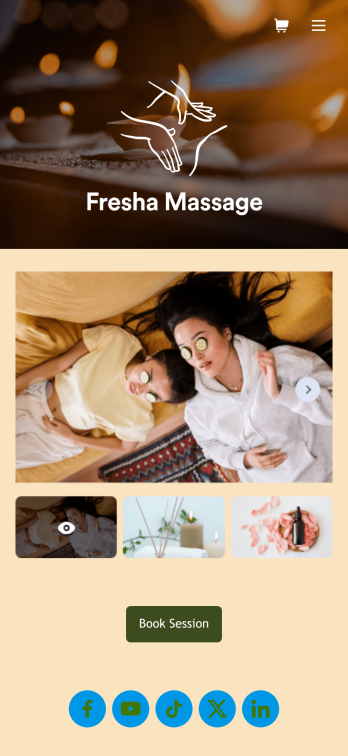
Massage Therapist Booking App
A massage therapist booking app is used by massage therapy businesses and freelance massage therapists for scheduling appointments. Want to know how to sell massage therapy appointments online? With Jotform’s free Massage Therapist Booking App, clients can access and download your custom app on their favorite device and book massage services by choosing a date from an interactive calendar and entering their general contact information. Appointments and confidential client information are stored in your secure Jotform account, so you can keep track of everything from one convenient location.Make this Massage Therapist Book App your own with Jotform’s intuitive app builder. No coding knowledge necessary — simply drag and drop to add or edit form elements and text fields, choose fonts and colors, upload your own branding, and install widgets and payment integrations. You can also create an image carousel on your app’s main page and showcase images of your business and services offered. Once you’re done customizing, share your app with clients by sending email invites, embedding the app link in your website or social media, or by generating a QR code to print on business cards. Create a one-stop-shop for clients to book massage services with this Massage Therapist Booking App that works on any device.
Go to Category:Appointment & Booking Apps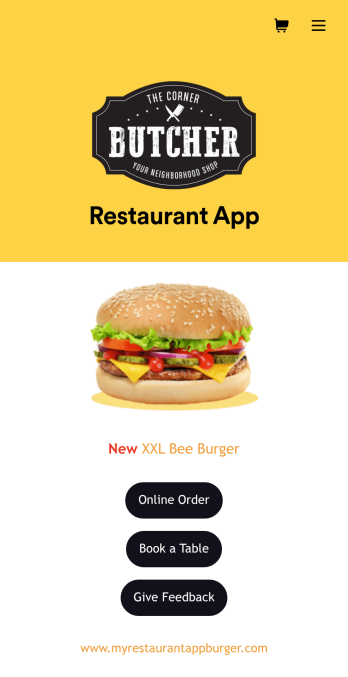
Burger Restaurant App
A burger restaurant app makes it easy for customers to place orders, make reservations, and submit feedback from any device. Whether you cook classic burgers, specialty burgers, or veggie burgers, take your restaurant to the next level with Jotform’s free and customizable Burger Restaurant App. Customers can download your app onto their computer or any iOS or Android device and fill out your online forms from anywhere. You’ll receive form submissions instantly, ready to view in your secure Jotform account.Customize this Burger Restaurant App without any coding. Using our drag-and-drop interface, you can upload your logos and branding, add or remove forms, and include other app elements such as documents, links, buttons, images, and much more. When it’s ready, your app can be shared on your website and social media accounts via the app link — sell burgers online faster than ever. Make it easier for customers to quickly and easily order your tasty burgers with a fully-custom Burger Restaurant App!
Go to Category:Delivery Apps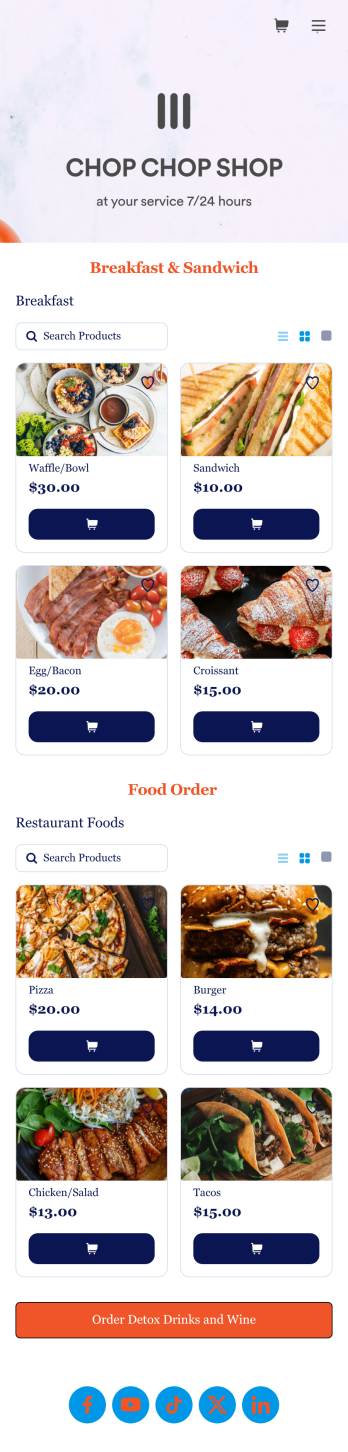
Food Order App
Discover how to sell food orders online with Jotform. No matter what type of cuisine you serve, make online ordering easy for your customers and sell food orders online with Jotform’s free Food Order App! This customizable mobile app bundles together multiple order forms and contact forms. Once they’ve downloaded your app onto their favorite device, customers can easily place their orders and submit payments all in one go. You’ll receive form submissions instantly, so you can begin fulfilling orders without delay.Customize this Food Order App for your business in just a few clicks. Jotform’s drag-and-drop interface makes it easy to create and attach forms, upload logos, add links, and include other elements in your mobile app. When you’re done customizing, share your app with customers by posting the link on your website, social accounts, or in newsletter emails. Customers can save your Food Order App onto their computer or any iOS or Android device, so they can order your food no matter where they are!
Go to Category:Delivery Apps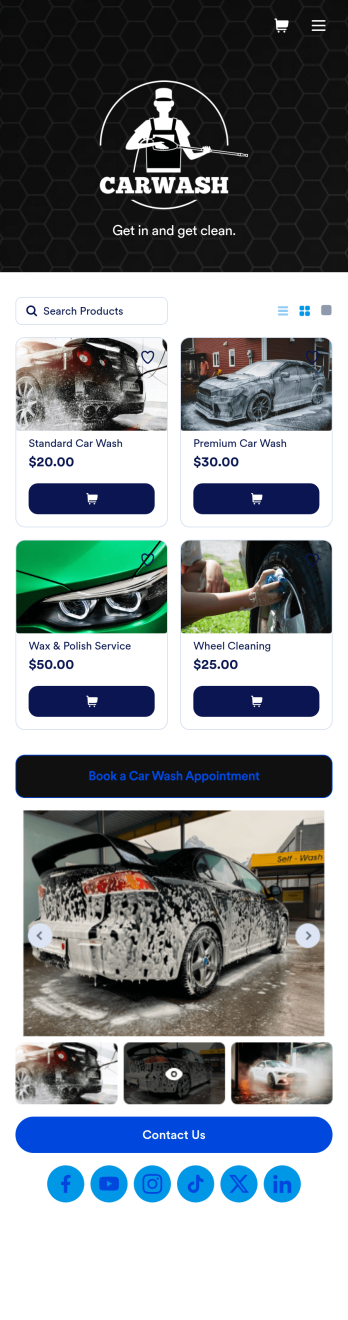
Custom Mobile Car Wash App
Wondering how to sell car washes online? Create a downloadable app for your mobile car wash customers with a free Mobile Car Wash App from Jotform. This app includes a Car Wash Appointment Form so customers can select their preferred date from a calendar and provide other booking details like name, phone number, and their car’s make and model. Also it includes a product list that customers choose a car wash service and make payments. All submissions are sent to your company Jotform account, ready to view instantly on any device.Add your logo, include other forms to collect additional info like e-signatures or payments, and make other design changes by dragging and dropping elements in our intuitive no-code app builder. Once your app is ready to be shared, copy and paste the link or invite people via email so they can download it onto their devices. Stop spending time on phone or email bookings and enjoy a more efficient booking process with this Mobile Car Wash App.
Go to Category:Appointment & Booking Apps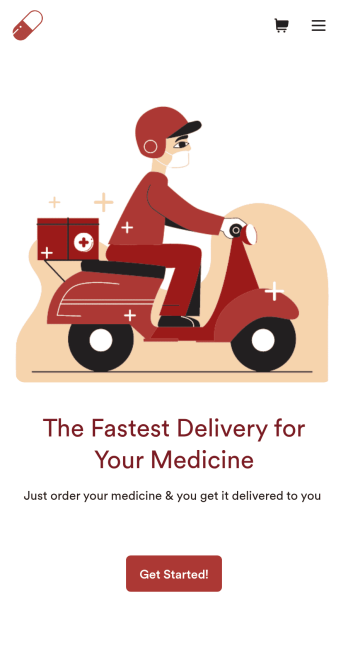
Medicine Delivery App
If your pharmacy offers medicine delivery services and is wondering how to sell medicine deliveries online, collect orders and payments from any device with Jotform’s free Medicine Delivery App. This customizable app includes a medicine order form as well as a feedback form that patients can fill out using any computer, tablet, or smartphone. Submitted orders will be received instantly, so you and your pharmaceutical staff can begin filling prescriptions without any delay.Customize this Medicine Delivery App for your pharmacy without coding. Simply drag and drop to add forms, tables, links, documents, text, images, logos, and other app elements. Then share your app with patients by sending them email invites to download it onto their own devices, or by posting the app link on your website. With a fully-custom Medicine Delivery App that works anywhere, you can sell medicine deliveries online and ensure that patients can refill their prescriptions with ease.
Go to Category:Delivery Apps
Beauty Salon Appointment App
A beauty salon appointment app helps clients book appointments, order beauty products, and find professionals who can help them look and feel their best. Create a mobile app for your beauty salon without any coding using our free Beauty Salon Appointment App Template. This ready-made template bundles multiple forms — including a client information form, COVID-19 consent form and an appointment form — all in one place. Clients will be able to fill out your forms from their smartphone, tablet, or computer with ease.Customizing your Beauty Salon Appointment App won’t take up any time with our drag-and-drop builder. You can easily add new forms to sell beauty supplies online, as well as add surveys, links, text, images, and even your branding for a more professional and personalized look. Once it’s ready to use, share your app by embedding the link in your website or posting it on social media. Stop wondering how to sell beauty supplies online and gather appointment bookings — create a contactless way for clients to book services and pay for products at your beauty salon with a fully-custom Beauty Salon Appointment App that works on any device.
Go to Category:Appointment & Booking Apps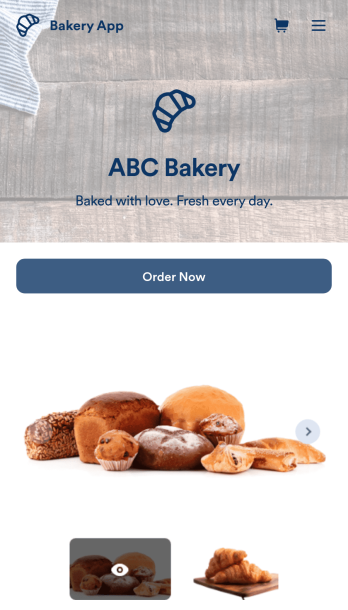
Bakery App
Need to sell pastries online, sell cakes online, or sell bread online? No matter what your bakery specializes in, create a custom online app for your business with our free Bakery App. This ready-to-use template makes it easy to share all your order forms, customer feedback surveys, and reviews in one place. All you have to do is customize the app template to match your bakery and share the link on your website or social media. Customers can then open and download your Bakery App on any smartphone, tablet, or desktop.Want to decorate our Bakery App to match your bakery’s branding? Using our drag-and-drop interface, it only takes a few clicks to add forms, surveys, images, text, logos, links, and more. You’ll even be able to customize your app’s settings, icon, name, and splash screen. Sell bakery products online and make it more convenient for customers to place orders with a professional and fully-customized Bakery App!
Go to Category:Delivery Apps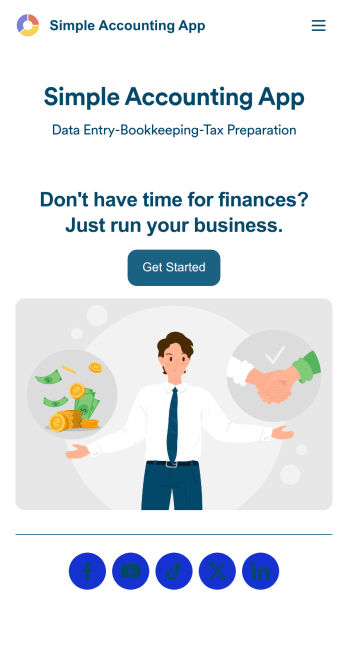
Simple Accounting App
Looking for an easy and convenient way to manage your accounting clients? With Jotform’s Simple Accounting App, you can create a bookkeeping app that works seamlessly for both you and your clients. Build your app from scratch or pick one of our ready-made app templates to spark your creativity. Add pricing information, contact forms, showcase past client reviews, and more.Customize your Simple Account App with Jotform’s easy-to-use app builder. Use our drag-and-drop app builder to change up the look and feel of your app, add powerful app elements, install helpful app widgets, and integrate with one of our 30+ payment processors, including Stripe and Square to collect fees and payments. Share your customized app via email or embed it directly into your own website. Help your clients reach their finance goals with your very own Simple Accounting App.
Go to Category:Company Portal Apps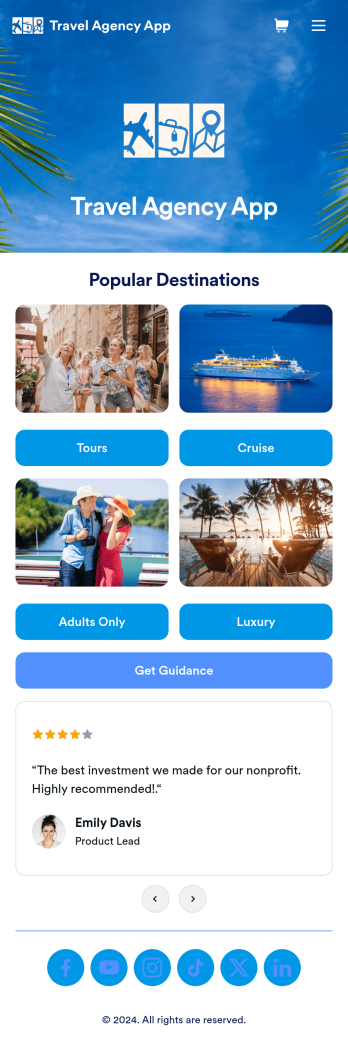
Travel Agency App
A travel agency app lets you plan and organize every aspect of the travel experience all in one place. This customizable Travel Agency App template from Jotform makes it easy for your clients to book their dream vacation with just a few clicks. Market popular travel packages, help customers explore different destinations and tour options that fit their interests, display customer reviews, and make it convenient for clients to contact agents about their next trip. You can even schedule hotel, flight, and transportation reservations so every detail is covered.Easily customize this Travel Agency App template by adjusting the colors and fonts to match your branding. The drag-and-drop interface simplifies the entire process without any complicated coding to hold you back. Create a splash page with your logo, link to your social media pages, process payments with Jotform’s 40+ payment processor integrations, and so much more. Accessible from any smartphone, tablet, or desktop, all that’s left to do is share the app and start booking.
Go to Category:Payment Collection Apps
Local Food App
Whether you’re in charge of the local farmer’s market or run a local food business, you may be wondering how to sell local food online. Use this free Local Foods App to sell local food online with ease! The app includes a product list for ordering local foods, Farm Business Registration Form, Product Feedback Survey, and Contact Form so you can collect all the information you need. Once you receive responses, you’ll be able to view them in your secure Jotform account instantly.Need to make changes to this Local Foods App template? Change the background image or app icon, integrate your form with your preferred payment processor, and make other changes with no coding. Your app can then be shared with a link or via email to be downloaded onto any computer, tablet, or smartphone. Sell local food products online with a free Local Foods App from Jotform.
Go to Category:Delivery Apps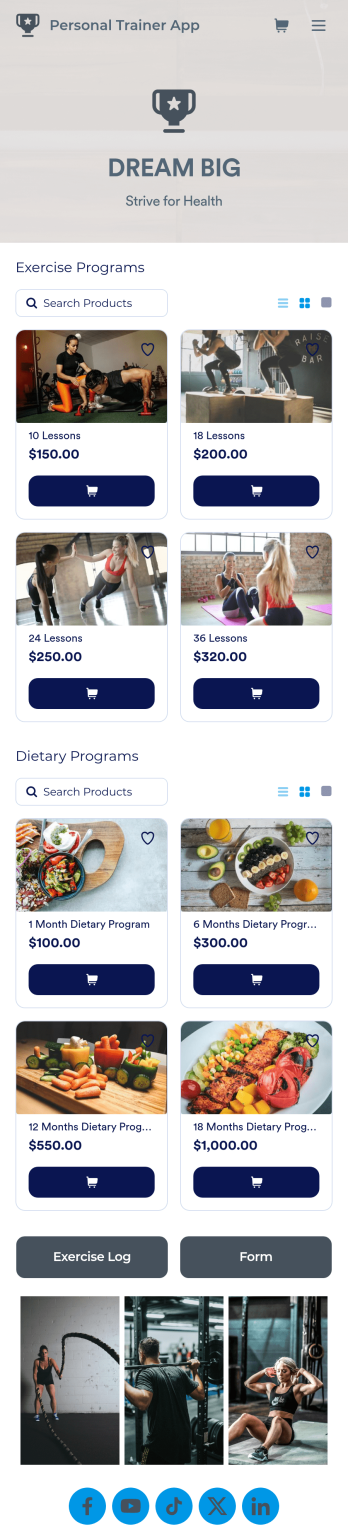
Personal Trainer App
A personal trainer app is used by personal trainers to keep track of information about their trainees. With Jotform’s Personal Trainer App — which can be downloaded on any smartphone, tablet, or computer for easy access — trainees can record their workouts, keep a daily food log, and request appointments for training sessions. All form submissions are instantly stored in the personal trainer’s Jotform account, ready to view instantly on any device.Every trainer does things differently, so be sure to customize your app to add new forms, remove existing ones, include your logo, and add other helpful links, documents, and information. Once you’ve got your app working great for your needs, share the app link so trainees can start recording their workouts. Give clients an easier way to log their training details with this free Personal Trainer App!
Go to Category:Sports Apps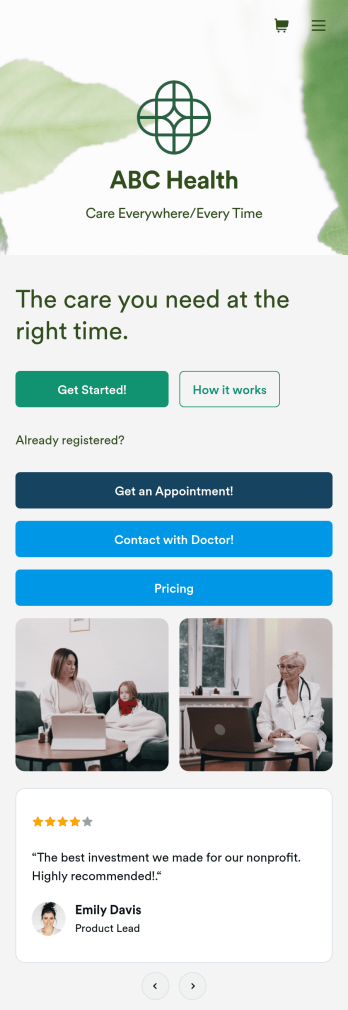
Telehealth App
Gather appointment bookings and patient information with ease using this Telehealth App from Jotform. Simple customize the app to match your needs, share it with patients using a link, and have them download it onto their computer, tablet, or smartphone for easy access. The app includes a Zoom Scheduler that lets patients select a time slot that works for them and generates a new Zoom meeting for each new booking.Need to customize this Telehealth App template? Drag and drop to rearrange the design, add your logo and branding, update existing forms, or connect them to 100+ popular app integrations. Jotform protects form data with a 256-bit SSL connection, GDPR and CCPA friendly features, but you can also optionally upgrade your forms to be HIPAA friendly. Save time with a free Telehealth App that your patients can use on any device.
Go to Category:Appointment & Booking Apps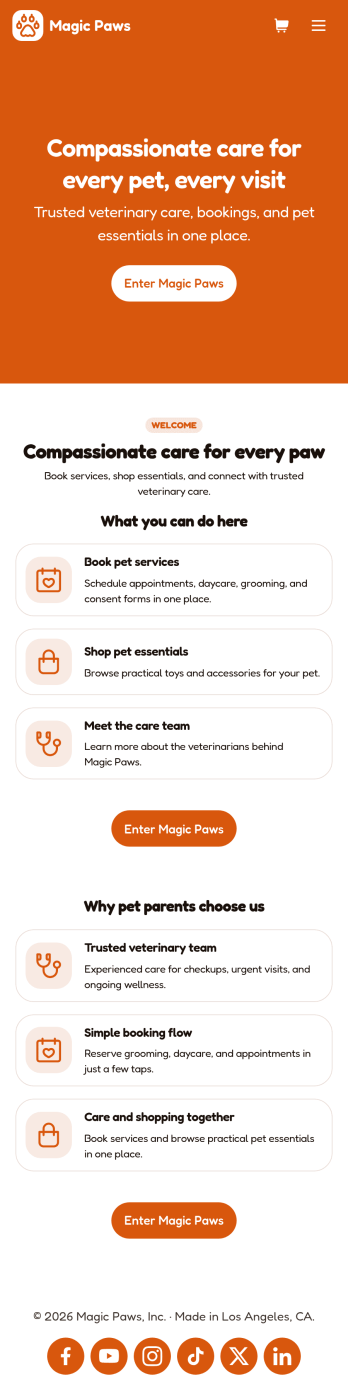
Veterinarian App
A veterinarian app is used by veterinary hospitals and clinics for scheduling appointments and services. This free Veterinarian App from Jotform allows pet owners to schedule appointments for general care and checkups with a Veterinarian Appointment Form, pet grooming with a Pet Grooming Registration Form, and dog daycare with a Dog Daycare Reservation Form. There is a separate Pet Vaccination Consent Form for collecting consent, which includes a digital signature box. Appointments are compiled in an easy-to-read table in your account, and can be sorted, filtered, and exported from any device. You can also convert consent forms into professional-looking PDFs with just a few clicks.With our drag-and-drop interface, it’s easy to create an app to suit your individual needs. You can add or change form elements and text, choose fonts and colors, customize your splash page and app icon, and more — no coding required. After you’re done, simply share a link to your app via email or embed it in your website and your clients can use it right away. Make scheduling vet appointments quick and easy with this customizable Veterinarian App from Jotform.
Go to Category:Appointment & Booking Apps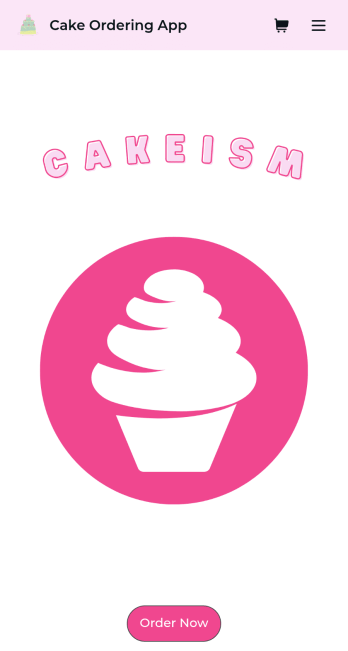
Cake Ordering App
Need an easy way to sell your gourmet cakes online? Try Jotform’s easily customizable Cake Ordering App today. Customers can download your app from any iOS or Android device and purchase or favorite products they’re interested in. All cake ordering data will be stored in your centralized Jotform account for easy reference and access.Decorate your Cake Ordering App to your liking with our easy drag-and-drop feature. Our no-code builder makes app store design intuitive — no previous experience in app design is needed. You can add your cake company’s logo, list all your cake flavors, and integrate with 25 payment integrations to receive payments quickly while paying no extra transaction fees to Jotform. Share your app with your customers directly or embed a link in your website for easy access. Treat yourself and take your Cake Ordering App to the next level with Jotform.
Go to Category:Delivery Apps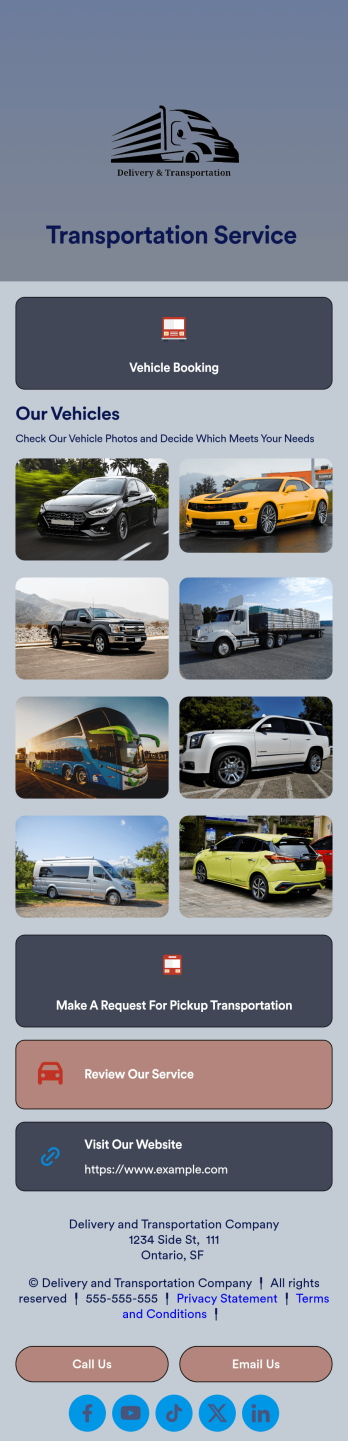
Transportation Service App
A transportation service app is used by transportation companies — such as car services or taxi services — to list what services they offer and allow customers to book their services in a convenient way. With this free Transportation Service App from Jotform Apps, you can create a custom app that clients can download directly onto their smartphone!Customize the design with our drag-and-drop builder. You can add your company logo, include your contact information, show off photos of your vehicles, and personalize the app background and icon. Once your custom Transportation Service App is ready to go, publish it by sharing it via email or adding it to your social media bio — ready for your customers to download onto any device.
Go to Category:Booking Apps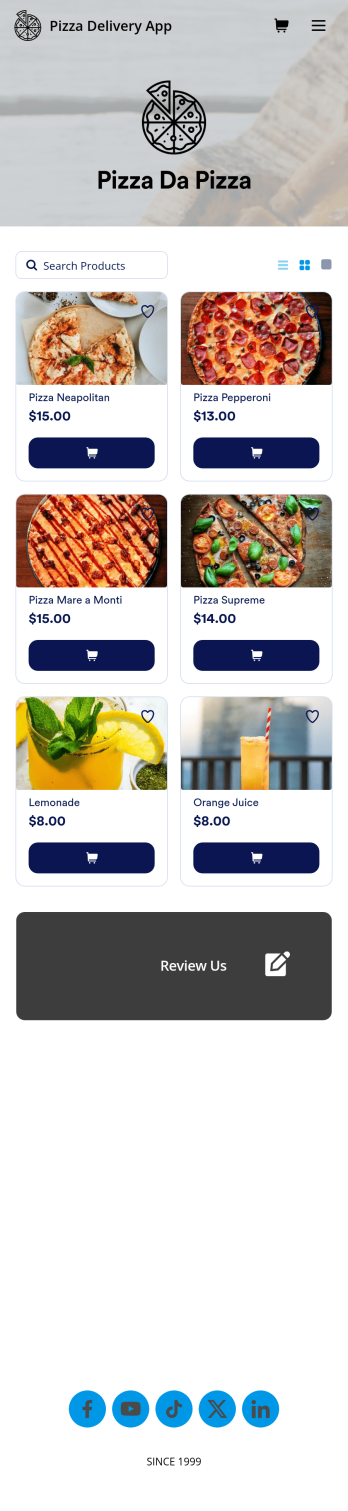
Custom Pizza Delivery App
Need to know how to sell pizza online to take your business to next level? Give your customers an easier way to order pizzas for delivery with this free Pizza Delivery App from Jotform. Start by adding your pizza and topping options to the app using our drag-and-drop builder, then connect the app with your preferred payment gateway to gather payments online — all while paying no extra transaction fees to Jotform! All orders are stored in your Jotform account, ready to be viewed, prepared, and delivered by you and your team.Need to make other changes to this Pizza Delivery App template? Drag and drop to add your company logo, change fonts and colors, and make other design updates with no coding. Not only does the app’s order form integrate with 30+ gateways like PayPal, Stripe, and Square, but it also connects with 100+ apps so you can track orders in other accounts too. Ditch time-consuming phone calls and enjoy a more efficient way to sell pizza online with a Pizza Delivery App.
Go to Category:Delivery Apps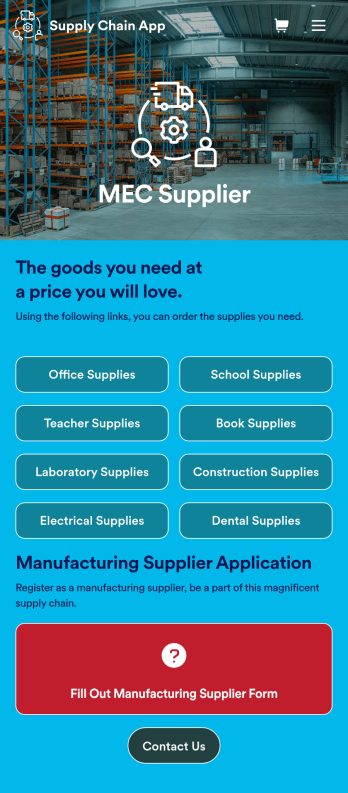
Supply Chain Management App
A supply chain management app is used by wholesale supplier companies for selling products to their customers. Want to learn how to sell your products online? This Supply Chain Management App allows customers to order supplies for offices, schools, labs, dental offices, and more with a simple ordering form. There is also a new customer signup form as well as a contact page. Once an order is placed, it will automatically be sent to your secure Jotform account, where you can see all of your orders at a glance.Making changes to this Supply Chain Management App is easy with Jotform’s no-code app builder. Simply drag and drop to add form elements, create new pages, edit text files and radio buttons, choose fonts and colors, upload images, include your branding, and more. When you’re satisfied with the look and feel of your app, you can share it by embedding it on your website or by sharing email invites with your customers. They can then download your app on any smartphone, tablet, or computer and start placing orders right away. Create an all-in-one supply chain ordering form with this ready-to-use Supply Chain Management App from Jotform.
Go to Category:Online Service Apps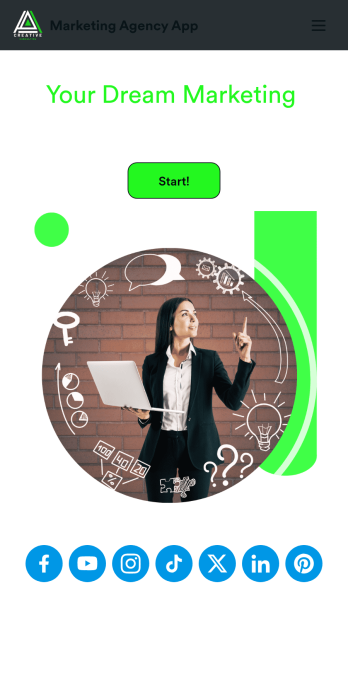
Marketing Agency App
Reach a wider audience and take your marketing agency online with a branded app from Jotform Apps. With this ready-made Marketing Agency App, you can showcase your offered services, marketing portfolio, and link to your social media accounts. Clients can access and download your app onto any smartphone, tablet, or desktop computer in seconds.Want to personalize this Marketing Agency App to suit your needs? No problem! Jotform’s drag-and-drop builder makes it easy to add form elements, install helpful widgets and integrations, change fonts and colors, upload your agency’s unique branding, and much more without any coding or design knowledge. Share your app by sending email invitations, including the app link in social media accounts and posts, or by seamlessly embedding it in your company website with a simple copy-paste code.
Go to Category:Consulting Apps
Career Coaching App
Need an easy way to schedule your career coaching sessions? Jotform has you covered with our Career Coaching App. It doesn’t matter if you already have a successful online career coaching business or if you’re just starting out — Jotform offers flexible app customization and templates to get you started. List your schedule for coaching appointments, add session descriptions, and integrate with 25+ easy-to-manage payment gateways to collect and manage appointment bookings.Use our drag-and-drop builder to customize your Career Coaching App! Add or swap out scheduling and payment forms, upload your coaching business logo, change colors and fonts, and integrate with hundreds of useful widgets to make your job easier. After you’re done designing your app to match your branding, share your app’s link via direct message, scannable QR code, or by embedding it directly into your website. You can also link your app on your social media pages to increase engagement and orders. Create your own Career Coaching App today with Jotform.
Go to Category:Consulting Apps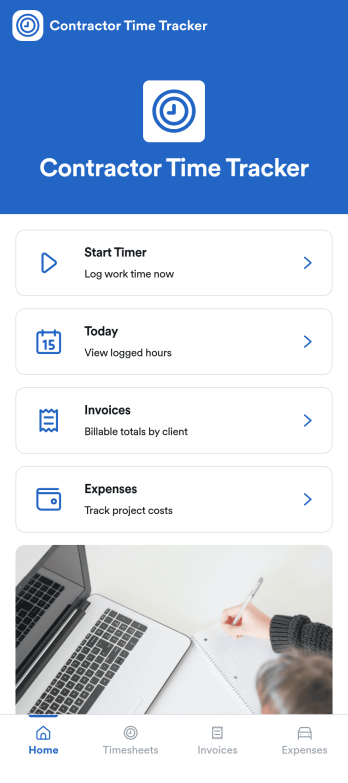
Independent Contractor Time Tracking App
Independent Contractor Time Tracking App helps freelancers and independent contractors record hours worked in a simple, focused place when they need a quick way to document time for clients, projects, or daily tasks. With a single page and clear on-screen guidance, it fits service providers who want a lightweight option for capturing work time during the day and keeping personal records consistent, whether they’re on-site, traveling, or working from home.Jotform makes it easy to turn this use case into a shareable, branded experience using its no-code app builder and drag-and-drop interface. Start with Jotform App Templates, adjust the page content to match how you track time, and connect the app to your broader workflow for data collection and self-service when you’re ready to expand beyond a basic layout.
Roadside Assistance Independent Contractor App
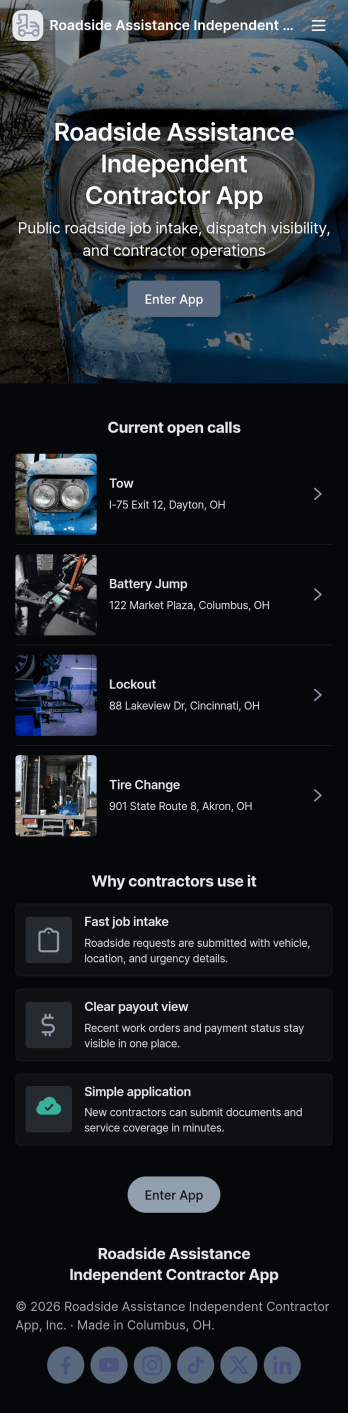
Roadside Assistance Independent Contractor App keeps independent drivers and tow providers organized from the moment a dispatch comes in to the moment the work is wrapped up. It gives contractors a simple way to send a new job request, browse open jobs, review job details tied to a dispatch ID, and stay ready with quick equipment check reporting. It also includes built-in contact options for reaching the dispatch desk by phone or emailing contractor support, which helps reduce missed calls and confusion during busy shifts.Jotform makes it easy to tailor this app template to your roadside operation with a no-code app builder and a drag-and-drop interface. Connect the app to your existing forms and tables for reliable data collection, then share a single self-service link with your contractor network. As jobs and equipment checks are submitted, your workflow stays organized and searchable, so coordinators and contractors can move faster with fewer manual updates.
Contractor Management App
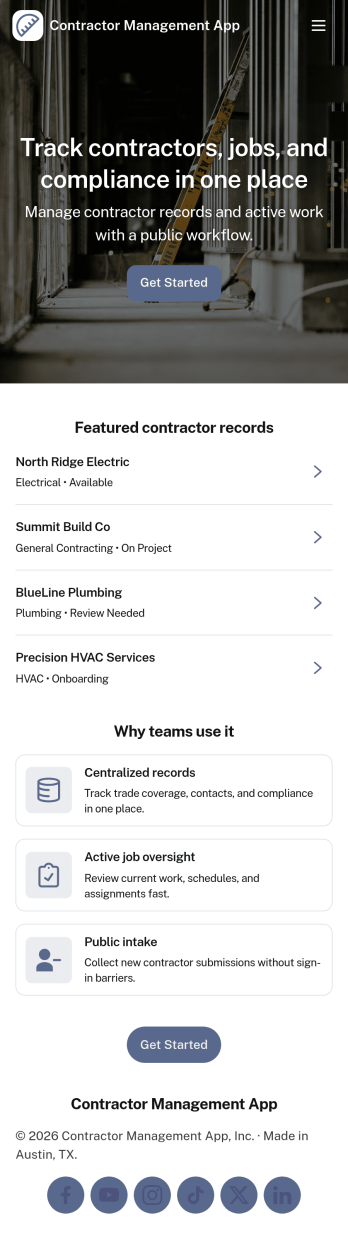
Contractor Management App helps businesses organize contractor details, job activity, inspections, and payment records in one place so teams can stay on top of day-to-day coordination. It’s a practical fit for construction companies, property managers, field service teams, and operations leads who need a clear view of who is working, what is in progress, and what has been paid. With a contractor directory and job tracker at the core, the app supports faster lookups, consistent recordkeeping, and smoother handoffs between office staff and the field. The built-in inspection log and payment ledger make it easier to document site checks, track open items, and keep financial follow-ups tied to the right work.Jotform makes it simple to turn this Contractor Management App into a tailored self-service experience using App Templates and a no-code app builder. Customize pages with a drag-and-drop interface, connect your app to workflows, and keep data collection organized through linked records your team can access whenever they need it. Share the app through a link or QR code, update content as projects change, and give stakeholders a single destination for contractor coordination without added complexity.
Contractor Expenses App
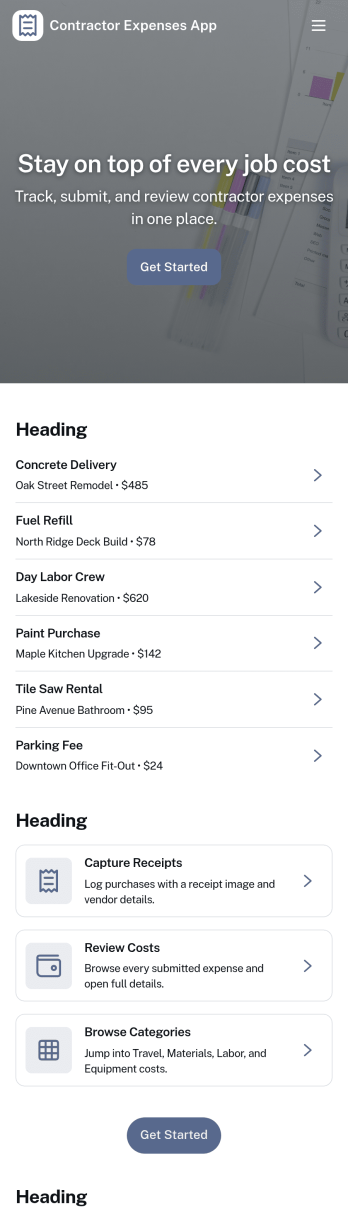
Contractor Expenses App helps independent contractors and field teams capture, review, and understand job-related spending in one place. Use it to add expenses as they happen, browse past entries, and open individual expense records when you need the details for invoicing, reimbursements, or end-of-month bookkeeping. It’s a practical fit for construction crews, home service pros, subcontractors, and small business owners who need a simple way to keep receipts and costs organized without digging through messages or spreadsheets.Jotform makes it easy to turn this app template into a branded expense workflow using a no-code app builder and a drag-and-drop interface. Connect the app to your expense form for consistent data collection, then share it by link or QR code so contractors can submit expenses from anywhere. As records grow, you can keep information accessible for your team, route entries into the right workflow, and use the built-in insights area to spot trends and track spending over time.
About Service Apps
Service Apps are specialized mobile and web applications designed to streamline and enhance various operational processes across industries by providing a customized platform for managing tasks, scheduling, and client interactions. These apps are commonly utilized in sectors such as healthcare, hospitality, and field services, where seamless coordination and efficient data handling are crucial for success. By enabling businesses to create bespoke workflows, service apps offer a robust solution to the challenges of managing diverse operations, integrating seamlessly into existing processes to enhance productivity and customer satisfaction.
Jotform Apps, leveraging the power of Progressive Web App (PWA) technology, is an ideal no-code app builder for creating service apps. This innovative approach allows apps to be installed directly via a browser, eliminating the need for App Store downloads, and ensuring they work seamlessly across iOS, Android, tablet, and desktop devices. Centralized data management through Jotform Tables further enhances workflow efficiency, providing a single source of truth for all operational data. This capability not only simplifies data handling but also supports real-time collaboration and decision-making.
Why Use Service Apps?
- Service apps significantly enhance operational efficiency by streamlining communication and task management. They provide a centralized platform for team members to access information, reducing the time spent on back-and-forth emails and calls, ultimately leading to more productive workdays.
- With service apps, businesses can improve customer satisfaction through timely service delivery and better management of client interactions. By offering a seamless scheduling and reminder system, service providers can ensure appointments are kept and clients are kept informed, enhancing the overall customer experience.
- These apps facilitate real-time data collection and analysis, enabling businesses to make informed decisions quickly. By having access to up-to-date information, managers can identify trends, address issues proactively, and capitalize on new opportunities.
- Service apps support scalability, allowing businesses to grow without being hindered by operational bottlenecks. As companies expand, these apps can accommodate increased data and user demands, ensuring continuity and efficiency.
- The integration capability of service apps with other business systems enhances overall workflow automation. By connecting to various platforms, businesses can automate processes such as invoicing and customer follow-ups, freeing up valuable time for core business activities.
Common Problems Solved by Service Apps
- One major pain point in service industries is managing appointments and schedules efficiently, which service apps address by providing intuitive scheduling features. These apps reduce the risk of double bookings and missed appointments, ensuring that service providers can manage their time effectively.
- Data inaccuracies and mismanagement often plague service-based businesses, but service apps solve this by centralizing data collection and storage. This ensures that all team members have access to the most current and accurate information, reducing errors and improving service quality.
- Keeping track of inventory and resources can be challenging, but service apps streamline this process by offering real-time inventory tracking capabilities. This feature helps prevent shortages and overstock, ensuring that services are delivered without delay.
- Communication breakdowns can lead to reduced customer satisfaction; however, service apps facilitate seamless communication between teams and clients. By offering integrated messaging and notification systems, these apps ensure everyone is on the same page.
- Invoicing and payment processing can be cumbersome, but service apps simplify these tasks with built-in payment integration options. This streamlines the billing process, reduces errors, and improves cash flow.
Matching Use Cases to Features
- For businesses requiring efficient scheduling and task management, the Drag-and-Drop Interface of Jotform Apps allows users to create customized workflows. This feature enables quick adjustments to schedules and tasks, enhancing flexibility and responsiveness.
- Companies seeking to enhance customer engagement can utilize Push Notifications to keep clients informed about appointments, promotions, or updates. This feature ensures timely communication, improving customer satisfaction and retention.
- Businesses that handle transactions can benefit from Payment Integrations, such as Stripe and PayPal, to accept payments directly through the app. This capability streamlines financial transactions, reducing processing time and improving cash flow.
- Organizations looking for secure data management can leverage Jotform Apps’ Publish Options, which allow apps to be shared publicly, privately, or within a company. This ensures that sensitive information is shared only with authorized users.
- For those aiming to enhance collaboration, Sharing Methods like Direct Link, Email, and QR Code allow easy distribution of apps to team members and clients. This promotes accessibility and ensures that everyone has the necessary information at their fingertips.
- Businesses that operate in areas with unstable internet can utilize Offline Mode, ensuring that data collection and app functionality are not disrupted. This feature is crucial for field operations where consistent connectivity is not guaranteed.
- Service industries that require streamlined operations can benefit from Workflow Automation, which reduces manual tasks and increases productivity. By automating routine processes, businesses can focus on delivering exceptional service.
How to Create a Service App
- Choose a category-relevant template from the Template List or start from scratch.
- Customize using the Drag-and-Drop Interface.
- Share via Link, QR Code, or Embed.
Top Use Cases for Service Apps
- For Managers: Service apps provide managers with a comprehensive overview of operations, allowing them to monitor performance, allocate resources efficiently, and make data-driven decisions. By centralizing data and offering real-time analytics, managers can quickly identify bottlenecks and implement corrective measures, ensuring smooth and efficient operations.
- For Teams: Team members benefit from service apps by having a unified platform to access schedules, task lists, and client information. This not only enhances communication and collaboration but also ensures that everyone is aligned with the company's objectives. By automating routine tasks, team members can focus on delivering high-quality service and meeting client expectations.
- For Customers: Customers enjoy a seamless experience when engaging with businesses that utilize service apps. From easy appointment scheduling to timely notifications and secure payment processing, these apps enhance the overall customer journey. By providing transparency and convenience, service apps help businesses build trust and foster long-term relationships with their clients.
Summarizing Service Apps
Service apps transform the way businesses operate by providing a customizable and efficient platform for managing various operational aspects. By leveraging Jotform Apps' no-code builder, companies can create tailored solutions that enhance productivity, improve customer satisfaction, and streamline workflows. These apps are not only versatile but also scalable, making them an essential asset for businesses aiming to stay competitive in today's fast-paced environment.
Frequently Asked Questions
1) Is it free to create and use Service apps on Jotform?
Yes, Jotform offers a free Starter plan that allows users to create and use service apps at no cost. This plan is ideal for individuals and small businesses looking to explore Jotform Apps' capabilities without a financial commitment. However, as your needs grow, there are various paid plans available that offer additional features and higher limits to accommodate larger operations.
2) Are the data and payments collected through the app secure?
Absolutely, Jotform prioritizes the security of data and payments collected through its apps. All data is stored securely and complies with industry regulations, including GDPR, ensuring that user information is protected at all times. Payment integrations such as Stripe and PayPal are also secure, providing peace of mind for both businesses and their customers.
3) Do I need any coding skills to create a Service app with Jotform?
No coding skills are required to create a service app with Jotform. The platform's no-code app builder features a Drag-and-Drop Interface that allows users to design and customize their apps with ease. This user-friendly approach enables anyone, regardless of technical expertise, to create professional-grade service apps.
4) Can I collect payments for services directly through the app?
Yes, you can collect payments directly through the app using Jotform's payment integrations. The app supports popular payment gateways like Stripe and PayPal, allowing businesses to process transactions efficiently and securely. This feature simplifies the payment process, enhancing the customer experience and improving operational efficiency.
5) Does Jotform support offline data collection for Service apps?
Indeed, Jotform supports offline data collection through its Offline Mode feature. This capability ensures that users can continue to collect data even when an internet connection is unavailable. Once connectivity is restored, the app automatically syncs the data, ensuring that no information is lost.
6) Are Jotform Apps compatible with both iOS and Android devices?
Yes, Jotform Apps are fully compatible with both iOS and Android devices, thanks to their PWA technology. Users can access and install apps directly via a browser, ensuring a consistent experience across different operating systems and devices. This compatibility extends to tablets and desktops, providing flexibility and convenience for users.
7) How can service businesses benefit from real-time data collection?
Real-time data collection allows service businesses to make informed decisions quickly and efficiently. By having instant access to up-to-date information, businesses can identify trends, optimize resource allocation, and improve customer service. This capability enhances overall operational efficiency and supports strategic planning.
8) What role do service apps play in customer relationship management?
Service apps play a crucial role in customer relationship management by providing tools for seamless communication and interaction. They help businesses manage appointments, send notifications, and collect feedback, ensuring that customers are engaged and satisfied. By fostering strong relationships, service apps contribute to increased customer loyalty and retention.